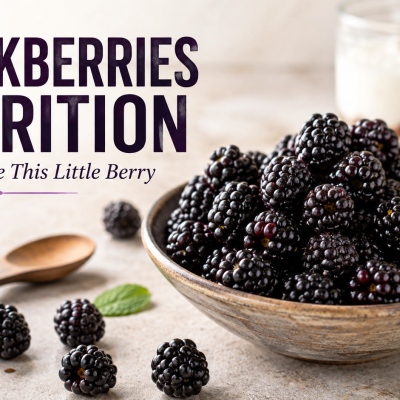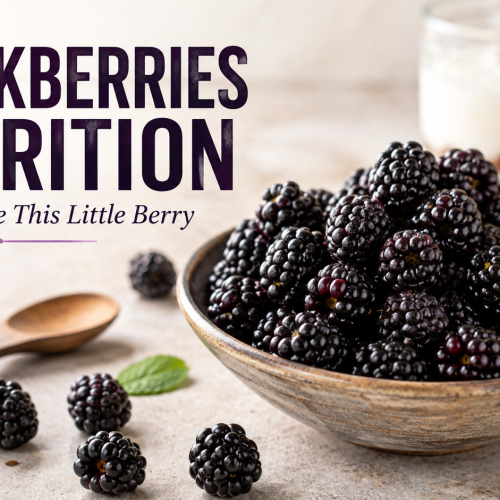
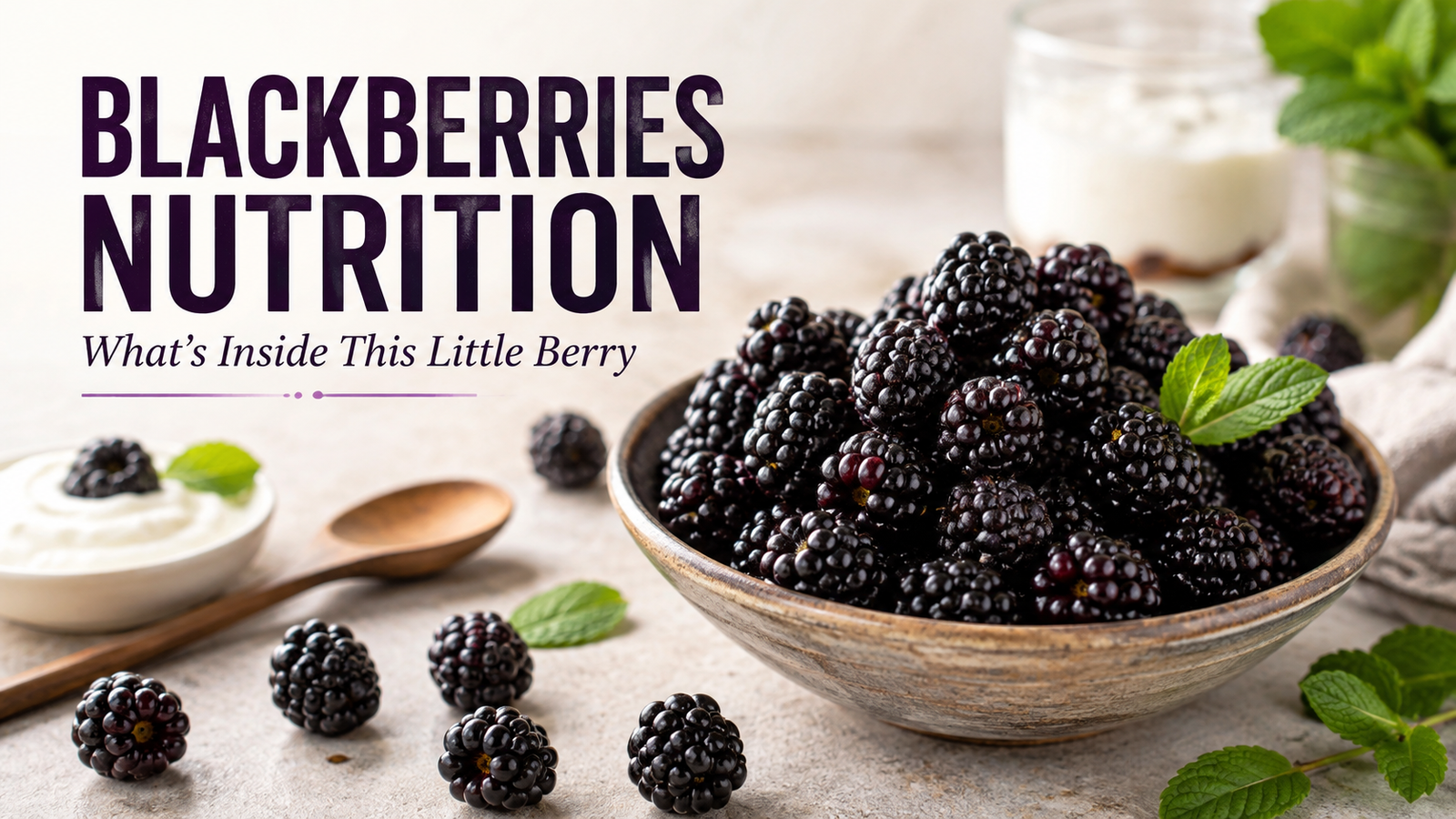
Never used to buy them because they looked so messy and a little expensive for what you were getting considering they sat in the same place as a neat little bag of apples. One day in the line waiting and bored, I finally saw the nutritional facts for the berries. Sixty-something calories per cup. Eight grams of fiber. They had more vitamin C content than I thought they did for how small and ugly the berries look, honestly. And so that was the day when Blackberries Nutrition became important to me.
Now here is what the berries have got, what does it mean and how to eat them without making your house a wellness resort?
What’s in a Cup?
Uncooked, they weigh 144 grams with approximately 62 calories per cup. Two grams of protein. Less than a gram of fat. Fourteen grams of carbohydrates, eight of them are fiber. It is a very unusual fiber content for such a sweet berry.
One cup of grapes has a little less than 100 calories and no fiber in them. I do not say grapes are bad; they’re okay, but they’re not doing the same thing. They’re just calories, fiber, sugar, and blackberriesCalories, fiber, sugar, and blackberries win most of those without really trying. Curious how other fruits compare? We put together a fruit comparison guide over at Calm Health Tips that covers about a dozen more.
Vitamin C, More Than You’d Guess
Just one cup can give you nearly 30 milligrams, which is more than one-third of the amount required by most adults per day. It helps heal wounds, aids in iron absorption, and keeps your immune system strong enough to withstand all that coughing on the subway.
None of that is earth shattering news.. It’s still easy to forget that something this small carries that much. One thing worth knowing: vitamin C breaks down with heat. Bake it into a pie, and some of it’s just gone. Eat it raw or frozen if that part matters to you.
Fiber, Doing More Than It Gets Credit For
Many Americans have low fiber levels in their diets. This silent deficiency has manifested in bloatedness, slow digestive processes, and fluctuating blood sugar levels.
8g per cup. Nearly a third of your daily recommended amount at once, from a fruit source. Fiber helps with digestion, makes you feel full and also nourishes the gut bacteria that we may have underrated for years now.A bowl of these at breakfast probably beats the fiber gummies at the pharmacy. Cheaper too, for what it’s worth.
Vitamin K, Manganese, and That Purple Color
Solid dose of vitamin K in here as well, close to a quarter of the daily value per cup. Helps blood clot, keeps bones strong. If you’re on blood thinners, it’s worth a quick chat with your doctor about how much vitamin K you’re taking in day to day, since foods like this can interact with the medication. The National Institutes of Health has more on the specifics if you want to dig in.
Manganese is the quiet overachiever here. Almost half your daily value in one cup, and not many fruits even get close. Supports bone growth and helps your body process carbs and amino acids.
And then there is the color. The purple is produced by anthocyanins, which are antioxidants found in plants that help reduce damage to cells as they live out their lives.Early research also ties them to lower inflammation and maybe better brain function down the road, though that part’s still getting sorted out by scientists who presumably eat a lot of berries.
Does It Actually Help Your Brain?
Growing stack of research linking berries, blackberries included, to slower memory decline as people age. The idea here is that anthocyanins reduce oxidative stress in the brain. There were a few studies where people consuming berries regularly scored higher in memory tests compared to those that consumed little fruit.
I want to be honest here. One bowl isn’t sharpening anything overnight. This is slow, kind of boring, long-haul stuff, the sort that matters over years and not weeks. But enough has piled up that several major health groups list berries among their go-to brain foods now. Take that for whatever it’s worth to you. I find it more convincing than most supplement marketing, for what that’s worth.
What About Diabetes?
Blackberries sit low on the glycemic index. Just a scale for how fast a food spikes blood sugar. Low number, slow rise. Add the fiber, which slows sugar absorption further, and you get a fruit a lot of research links to better insulin sensitivity.
Don’t make it medicine. Just makes it smarter than juice, dried fruit, or anything with sugar dumped into it.Half to one full cup will suit nicely into any diabetic meal plan, according to guidelines by the USDA. Accompanying it with some protein, some Greek yogurt, and almonds helps in slowing the process of sugar absorption even further.
How I Actually Eat These
No recipe needed, really. Handful into plain yogurt. Use them in place of dried cranberries in your salad because they have much more sugar than what you would think. Blend with some spinach in your smoothie if you are looking to include some veggies in your meal without an argument. Just simply eat them from the jar while you are standing at the counter, which is how I usually eat mine.
Fresh ones last about a week in the fridge, so don’t overbuy. Frozen holds the nutrition just fine and costs less outside peak season, June through August, around here. Something that took me quite some time to realize about this fruit is to wash them right before consumption, not when they first come out of the fridge as moisture accelerates the development of mold. Also, it’s better not to keep them piled up in a large container, as the lower layer will always become squished and mushed.
Bottom Line
This particular superfood contains quite a number of nutrients: fiber, vitamin c, vitamin k, manganese, and antioxidants. All that in a mere cup of under a hundred calories! It is certainly a winning combination. Perhaps that is why nutritionists always come back to this food no matter which berry has made it to the headlines that year.
If you are trying to build a grocery list made of food definitely deserving to be in the cart, you should consider adding this amazing product.. For more everyday nutrition breakdowns like this, check out our health and nutrition resources at Calm Health Tips. We skip the hype and just stick to what’s useful.
FAQ
Do blackberries actually help your brain?
There’s a decent stack of research pointing that way. Slower memory decline as people age, tied to those antioxidants calming down stress in brain cells. Don’t expect a sharp mind after one bowl though. This is slow, boring, long-term stuff.
Are frozen blackberries as healthy as fresh ones?
Basically yes. Frozen keeps almost all the nutrition. And they’re usually cheaper once fresh ones go out of season anyway.
Can people with diabetes eat blackberries?
Most people can, in reasonable amounts. Low on the glycemic index, and the fiber slows down the sugar hit even more. Still worth a conversation with your doctor if you’re managing this closely though. I’m not your doctor. Just a person who reads a lot about berries apparently.
How much manganese is in blackberries?
Almost half your daily needs. In one cup. Not a lot of fruit even gets close to that number. Helps your bones grow and helps your body actually use the carbs and protein you eat.