Last week, Maria spent ten minutes in the cereal section. She did not understand the labels. The doctor advised her to change to a gluten-free diet. That was the whole talk. No follow-up. No starter kit. Just a phrase and a shrug on the way out the door.
If that’s you too, here’s what nobody tells you at the doctor’s office: it’s hard for about two weeks. Then it isn’t.
What is a gluten-free diet?
When you avoid wheat, barley, and rye, it means you have to avoid most breads, pastas, cereals, and baked goods, unless the label indicates that the food is gluten-free. This is straightforward, and very much that’s what it is.
The reason for people’s decision to go gluten-free can be very different. Celiac disease is one reason. A different reason can be some kind of sensitivity that can’t be explained. The third reason can be a friend’s recommendation.No test needed.
One thing worth saying up front: for people with celiac disease, this isn’t a fad. It’s the treatment. There’s no pill for it. The food is doing the job, medicine can’t.
What is gluten, exactly?
Gluten is a protein. It’s what makes bread chewy. It’s what lets dough stretch without falling apart. Wheat, barley, and rye all have it. So does anything made from them: flour, most beer, and soy sauce made the old way.
The annoying part is where it hides. Soup bases. Salad dressings. Even some medicine. You don’t expect to check the label on cough syrup. But here we are. That’s the real trick with this diet. It’s not about memorizing a list.It’s about learning to look at things in new ways.
Gluten-free diet for beginners: where to start
Don’t attempt to clean up your entire kitchen in one afternoon. The quickest way to leave by day three, and to eat cereal over the sink for spite.
Do less than you think you should. Remove all items that contain wheat, barley or rye. Set it in a box. Do not throw it out just yet, if another member of the household continues to consume gluten. You’ll be glad you did when you aren’t having to purchase the same pasta again.
Here’s a fact to know. The FDA gluten-free labelling directive mandates that gluten-free labelling in the USA be used for products that contain less than 20 ppm gluten. That number is significant if celiac disease is involved. A mere speck can be harmful. This isn’t a label game.
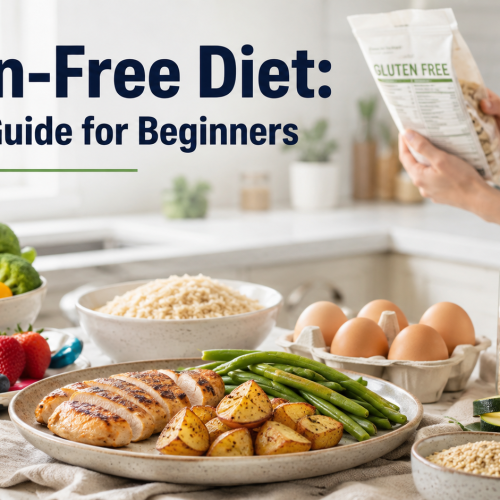
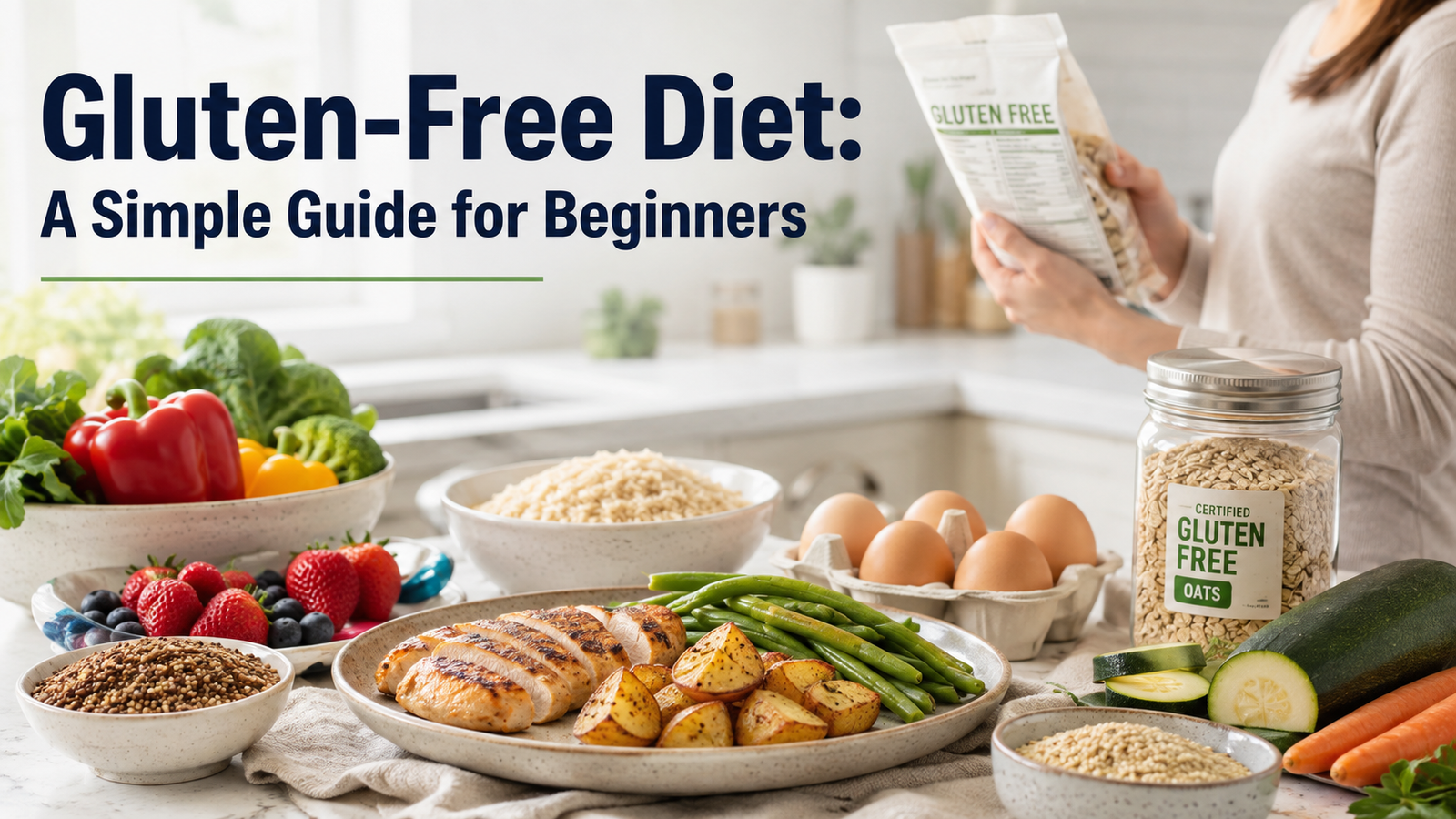
Then, rely on whole foods. Meat, eggs, vegetables, fruit, rice and plain dairy. There is no need for a special aisle. It’s just a different way to shop the same aisles as before.
If you need more detail, check out Calm Health Tips‘ starter checklist.
Gluten-free foods list: what you can eat
This is where people feel comfortable when it is written down. The gluten free foods list is not as short as all the panic claims.
Fresh meat, poultry and fish are OK. Simply avoid anything that’s been breaded or dipped in soy. Eggs and plain milk and most cheeses are okay as well. Fruit and vegetables in their natural form (fresh, frozen or canned without sauce packet) are never an issue.
Grain is a bit more demanding. Rice, corn, quinoa and buckwheat are gluten-free. Oats are trickier. Again, you will need those certified gluten-free, as explained below. Potatoes can be eaten in almost any form—mashed, baked, or plain chips. (It’s the seasoning powder on flavored chips that goes wrong.) Lentils, chickpeas and beans complete the picture. Not only that, they are affordable as well, which is important once you’re at the check-out line and are getting all the special gluten-free food items.
Foods to avoid on a gluten-free diet
The obvious ones: wheat bread, regular pasta, most cereal and regular beer. Gluten-free beer is easy to find now, for what it’s worth.
The sneaky ones are what actually trip people up. Soy sauce. Malt vinegar. Some salad dressings. Imitation crab. Restaurant food fried in shared oil is a minefield too, and the menu won’t warn you. A dish can look totally safe and still have hit the same fryer as breaded chicken ten minutes before.
This is where cross-contamination becomes the real challenge, more than any list of foods to avoid on a gluten-free diet. A toaster that’s toasted regular bread leaves crumbs behind. A cutting board that touches pasta needs a real wash, not a rinse. Small stuff. But it’s the small stuff that gets people, not the obvious slice of pizza.
Celiac disease diet: why some people have no choice
Celiac disease is an autoimmune condition. Eat gluten, and the immune system attacks the lining of the small intestine. That sounds abstract until you see what it actually does. It makes it harder to absorb nutrients. Later that shows up as tiredness, bone pain, and other things that don’t seem connected to food at all.
So for this group, a celiac disease diet isn’t optional. It’s the whole treatment. Even a trace from cross-contamination can set off a reaction. That’s why the label-reading and the separate cutting board aren’t overkill. They’re the actual medicine.Should you wish to obtain additional information, Mayo Clinic goes into details on the subject matter.
Gluten-free meal plan: a simple day of eating
No charting necessary. Breakfast can consist of scrambled eggs together with some berries, or gluten-free oatmeal with added peanut butter. Lunch is only a big salad with grilled chicken, rice, and olive oil, or any leftover soup not thickened with flour. Dinner may be salmon with roasted potatoes and green beans, or tacos made of corn tortillas as gluten-free as possible without any attempt to mislead anyone. Keep in mind to have apart from lunch such snacks as nuts, cheese, or rice cakes plus cut vegetables.
. That way you’re not stuck staring at wheat crackers at 3pm with nothing else around. That’s really the whole trick behind any gluten-free meal plan. Nobody’s grading you on perfection. You’re just building a day you’d repeat on a tired Tuesday when you don’t want to think about food at all.
There’s also a growing list of recipes on Calm Health Tips if these ideas run out fast.
Getting comfortable with it
Give it a few weeks before you decide how you feel about it. Taste buds adjust faster than you’d think. The grocery list gets faster to write too. Eventually, checking a label is just something your hand does without your brain fully noticing.
Here’s some genuine advice: consult a doctor or nutritionist before you eliminate any foods from your diet permanently especially if you think you may have celiac disease. Why? Gluten is best digested when eaten, so it is important not to avoid gluten for too long before the test is taken, or the results may not be accurate. Test before you start a gluten-free diet. This will prevent confusion as to whether or not you actually have celiac disease.
Frequently Asked Questions
Should everyone follow a gluten-free diet even if he or she doesn’t have celiac disease?
Not automatically, no. The label doesn’t mean that it is a healthy food. Whole foods are better than those changed out by packaged foods. That’s what really counts.
When does it take to feel better on a gluten free diet?
It typically takes several weeks for celiac disease to make its presence known in terms of changes in digestion. It may take months for full gut healing. It’s not something that happens “all at once”. That’s normal.
Are oats gluten free?
Only certified gluten-free products. Regular oats are produced in the same mills as wheat. That’s typically sufficient to create an issue.
Should I steer clear of gluten in other items besides food?
Usually not. It’s more about food and drink than lotion and shampoo. There is one exception that some people make: lip products because they are swallowed just by sitting on your lips.